You Are Not Drunk, You Are Beautiful!
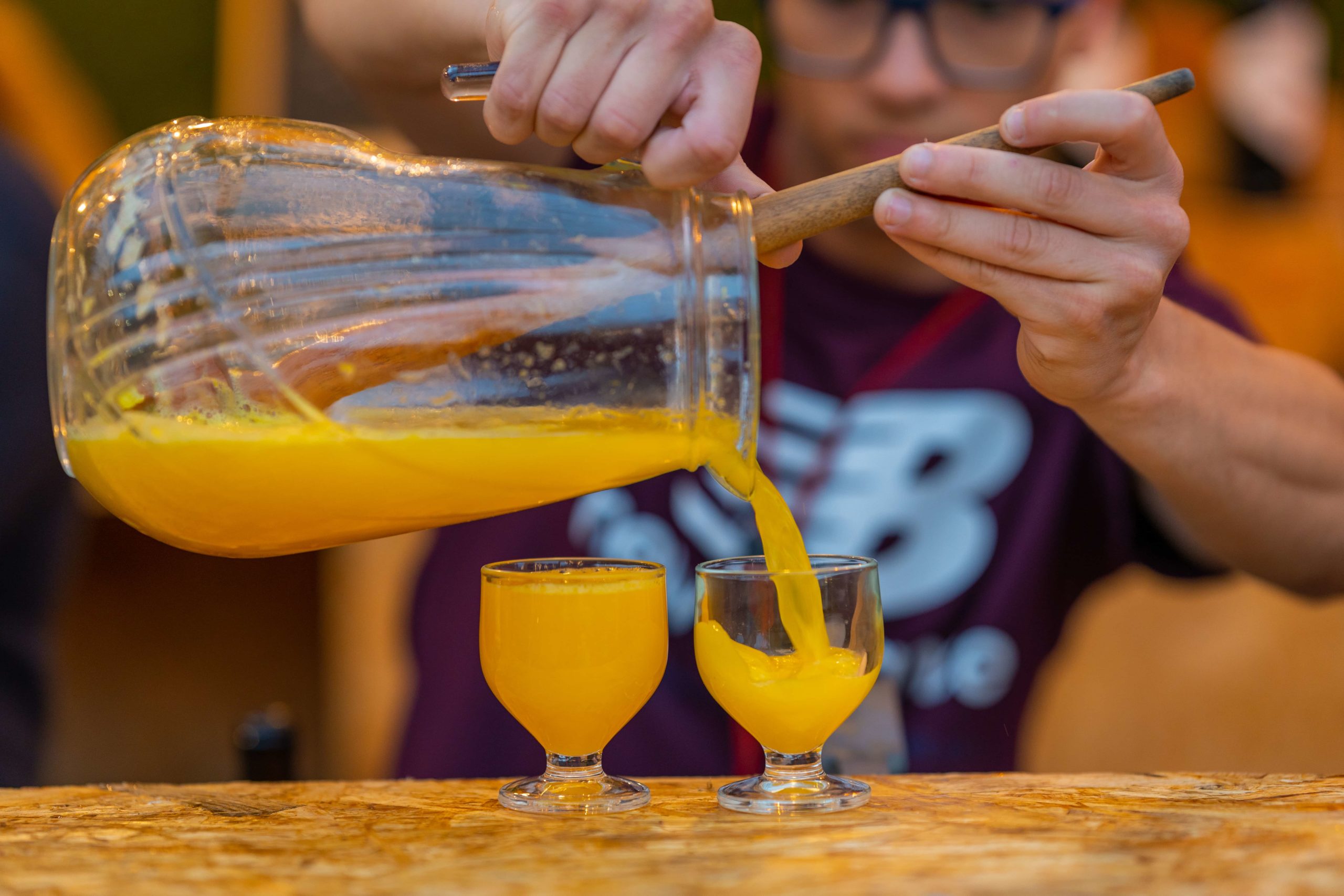
(Title inspired by a humorous expression heard during the Madeira Rum Festival. It is presented here as a reflection on local hospitality and not as an encouragement of excessive alcohol consumption. Picture: ©Nuno Andrade)
Madeira has a way of seducing people into exaggeration. You arrive expecting dramatic scenery, Atlantic charm, perhaps a few glasses of wine and some respectable cane distillates. You leave speaking in absolutes. The island is too steep, too green, too vertical, too intense to describe moderately.
During the Madeira Rum Festival, somebody laughed, topped up my glass, and casually told me: “You are not drunk, you are beautiful.” Whether this is a genuine local expression or simply the kind of thing Madeirans say after several glasses of poncha, I honestly could not tell you. What I can say is that by the end of the trip, the phrase had started to make an alarming amount of sense.
I first visited Madeira for the Madeira Rum Festival in April 2025. It was my first trip to the island and, as someone fortunate enough to have travelled extensively through rum-producing regions, I arrived with very high expectations. I have spent years around distilleries, fermentation tanks, ageing warehouses, and sugarcane fields across several continents. I like to think I am relatively well educated in the world of spirits. Yet Madeira had always occupied a strangely mythical place in my imagination.
Part of that fascination came from whisky.
Like many people in the spirits industry, I had frequently encountered “Madeira cask finish” on whisky labels. The mention alone seemed to carry a certain prestige. Distilleries from Scotland to Scandinavia proudly advertised finishing in Madeira wine barrels, often with reverential language about richness, oxidation, dried fruits, and complexity. These casks were clearly sought after. The question, naturally, was why? What exactly was happening on this small volcanic island in the middle of the Atlantic that made its casks so desirable?
I was delighted to find out firsthand what all the fuss was about. The island wasted absolutely no time making an impression.
Even as someone who has experienced the old Kai Tak Airport approach in Hong Kong, nothing could really have prepared me for landing in Madeira. Imagine a passenger aircraft performing something close to a hand-brake turn in the sky before lining itself up with a narrow strip of tarmac seemingly suspended between the ocean and the cliffs, and I am only barely exaggerating. One moment you are looking directly at mountainsides and houses; the next, the wheels hit the runway. It feels less like landing and more like an act of commitment!
If the approach was anything to go by, the rest of the trip promised to be entertaining.
I was not disappointed.
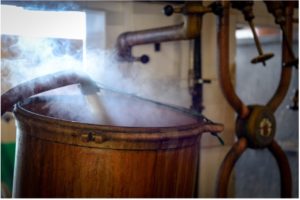 Madeira is many thing, but it is certainly not subtle. The island rises violently out of the Atlantic, forcing agriculture onto terraces carved into impossibly steep slopes. Sugarcane grows where common sense suggests it probably should not. Walking through these small plots that barely register as “plantations”, gives you an immediate understanding of why mechanisation never fully took over here. Everything feels manual, physical, and stubbornly tied to the terrain.
This is precisely why Madeira rum feels authentic.
The modern spirits world often talks endlessly about terroir, sometimes with more marketing enthusiasm than technical accuracy. Madeira, however, genuinely forces itself into the production process. The climate, humidity, volcanic soils, sea air, altitude variations, and sheer difficulty of cultivation leave an imprint on both the raw material and the people producing it.
What struck me most was how interconnected everything felt. The island does not separate agriculture, food, drink, and culture into neat compartments for tourists. Rum is not presented as an isolated luxury product. It exists as part of daily life, alongside fishing traditions, local cuisine, agriculture, and the deliciously simple “poncha”.
One quickly understands that Madeira rum cannot really be discussed without understanding Madeira itself.
I had expected technical interest. What I had not expected was emotional attachment.
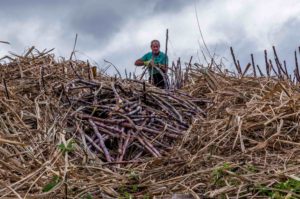 There is something deeply compelling about an island that has managed to preserve a genuine sugarcane distillation culture within Europe. In spite of geography, economics, and modern agricultural realities, sugarcane remains embedded in Madeira’s identity. Rum production here does not feel reconstructed for modern consumers. It feels continuous. Historical. Alive.
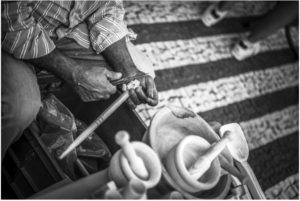 At the Madeira Rum Festival, conversations moved seamlessly from fermentation to family history, from cane varieties to local politics, from ageing conditions to fishing villages. Nobody seemed particularly interested in simplifying the story for outsiders. In many ways, that honesty was refreshing. Madeira does not appear overly concerned with chasing trends or reinventing itself for international approval.
And yet, paradoxically, that authenticity is exactly what makes the island increasingly attractive to the modern premium spirits market.
The irony is obvious. At a time when the global industry desperately searches for “authenticity,” Madeira never stopped being itself.
And perhaps that is precisely why Madeira deserves attention.
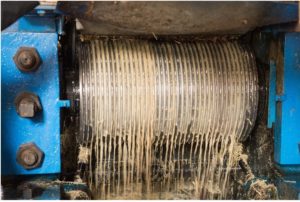 On paper, the island should barely register within the global rum industry. Madeira counts only five active distilleries: Engenhos do Norte, Engenhos da Calheta, William Hinton, O Reizinho, and Balancal. In purely commercial terms, these are small producers operating on a small island with limited production capacity and relatively modest export volumes.
And yet, their influence feels disproportionately large.
The reason is quite simple: these distilleries carry enormous cultural weight. They are not industrial reinterpretations of sugarcane distillation rebuilt for modern tourism or export marketing. They are survivors. Custodians of a production culture that, in many parts of the world, has either disappeared entirely or been heavily industrialised beyond recognition.
That continuity matters.
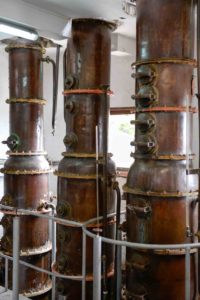 Rum da Madeira still feels connected to agriculture, to seasonality, to local identity, and to family history in a way that has become increasingly rare in the modern spirits industry. Like many historic sugar-producing regions, that history also carries more difficult chapters tied to the early Atlantic plantation economies.
Five distilleries, and then there is the gatekeeper!
Technically registered as a producer, though no longer actively distilling, he remains one of the quiet guardians of Madeira’s rum heritage. For the privileged few fortunate enough to receive an invitation, the experience borders on surreal. You arrive at a modest and unassuming family home, welcomed with extraordinary Madeiran warmth and generosity. Nothing immediately suggests that hidden behind those walls lies a living archive of Madeira rum history.
Then the bottles begin to appear.
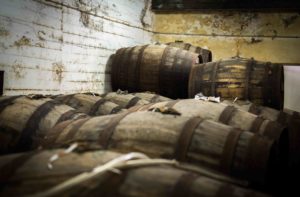
Old vintages. Historic aguardentes. Fragments of the island’s distilling past carefully preserved across generations. Not displayed as trophies, nor marketed as luxury collectibles, but shared with a quiet pride that feels deeply Madeiran.
It is difficult to imagine a more powerful expression of what Rum da Madeira truly represents.
Perhaps that, more than anything else, explains why Spirits Selection belongs here.
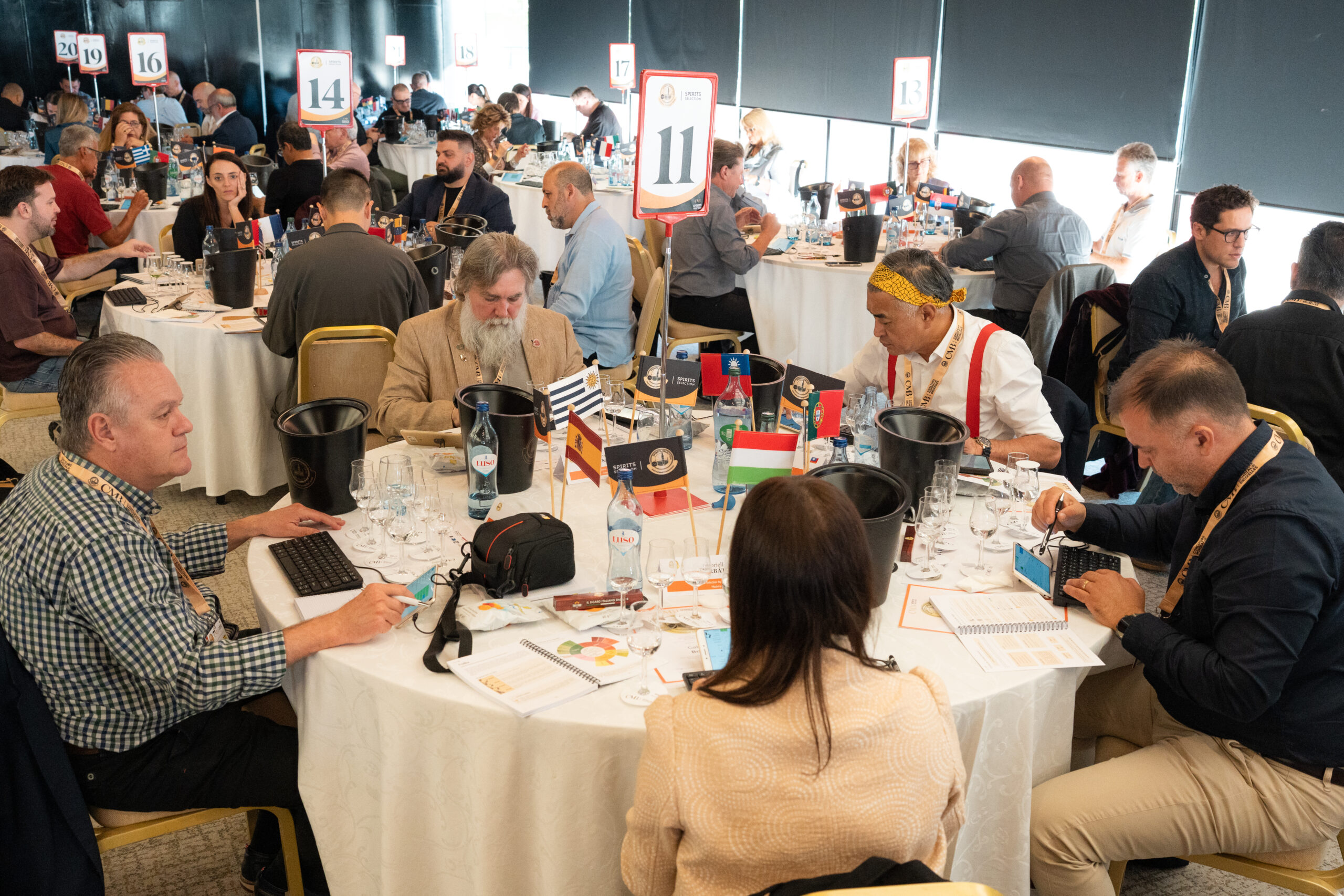
As Director of Spirits Selection by CMB, visiting Madeira also carried another dimension. It is impossible for me to walk through a spirits-producing region without mentally imagining judges, tasting panels, producers, and conversations around production, sensory identity, and category positioning. Some places feel suitable for hosting a competition. Others feel inevitable. Madeira belongs firmly in the latter category.
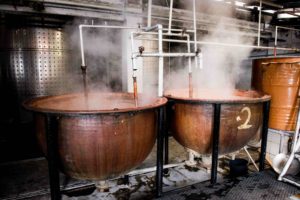 There is a natural coherence between the island and what Spirits Selection tries to represent: heritage, technical understanding, cultural context, and the idea that spirits are ultimately expressions of place and people rather than simply alcoholic commodities. This is precisely why we do not simply assess spirits from a particular region; we bring people to the destination itself. They can feel the atmosphere, breathe the air, and develop a far deeper understanding of what these rums are truly about.
In many ways, Madeira perfectly encapsulates the tension currently shaping the premium spirits industry. It is deeply traditional while simultaneously modernising. It remains geographically isolated yet internationally connected. It produces relatively small quantities while commanding respect among enthusiasts worldwide.
And perhaps most importantly, it still feels real, and that matters now more than ever.
The spirits world has become extraordinarily polished. Brands speak endlessly about storytelling, provenance, and authenticity, often with carefully engineered narratives. Madeira does not seem particularly interested in performing authenticity because it does not need to. The island simply exists on its own terms.
You taste that confidence in the rum, you feel it in the people.
And occasionally, you survive it during the landing.
By the time I left the island, I finally understood why Madeira occupies such a peculiar place in the imagination of so many spirits professionals. It is not merely beautiful, although it unquestionably is. It is not merely historical, although history permeates every corner of the island.
Madeira is compelling because it feels improbably complete. The geography, climate, agriculture, food culture, wine tradition, and distillation heritage all seem to reinforce one another into something unusually coherent.
Some places produce spirits.
Madeira produces identity.
After a few days on the island, the title begins to make perfect sense.
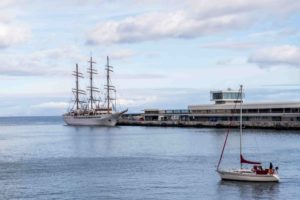
For those wishing to explore Madeira beyond the dramatic landscapes and warm hospitality, the real story ultimately lies within its distilleries, their people, and the remarkable individuality of their rums. In the next articles, we will take a closer look at each of the island’s producers and the distinct role they play in preserving and shaping the identity of Rum da Madeira.
And should you wish to dive deeper into the category itself, including its history, production methods, classification, and organoleptic profile, you can download the dedicated Rum da Madeira chapter from the Spirits Selection Spirits Guidelines here.
Text and pictures by Ulric Nijs
Spirits Selection by CMB Director.