Engenhos do Norte: Steam, Sugar Cane and the Living Memory of Rum da Madeira
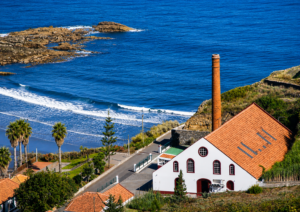
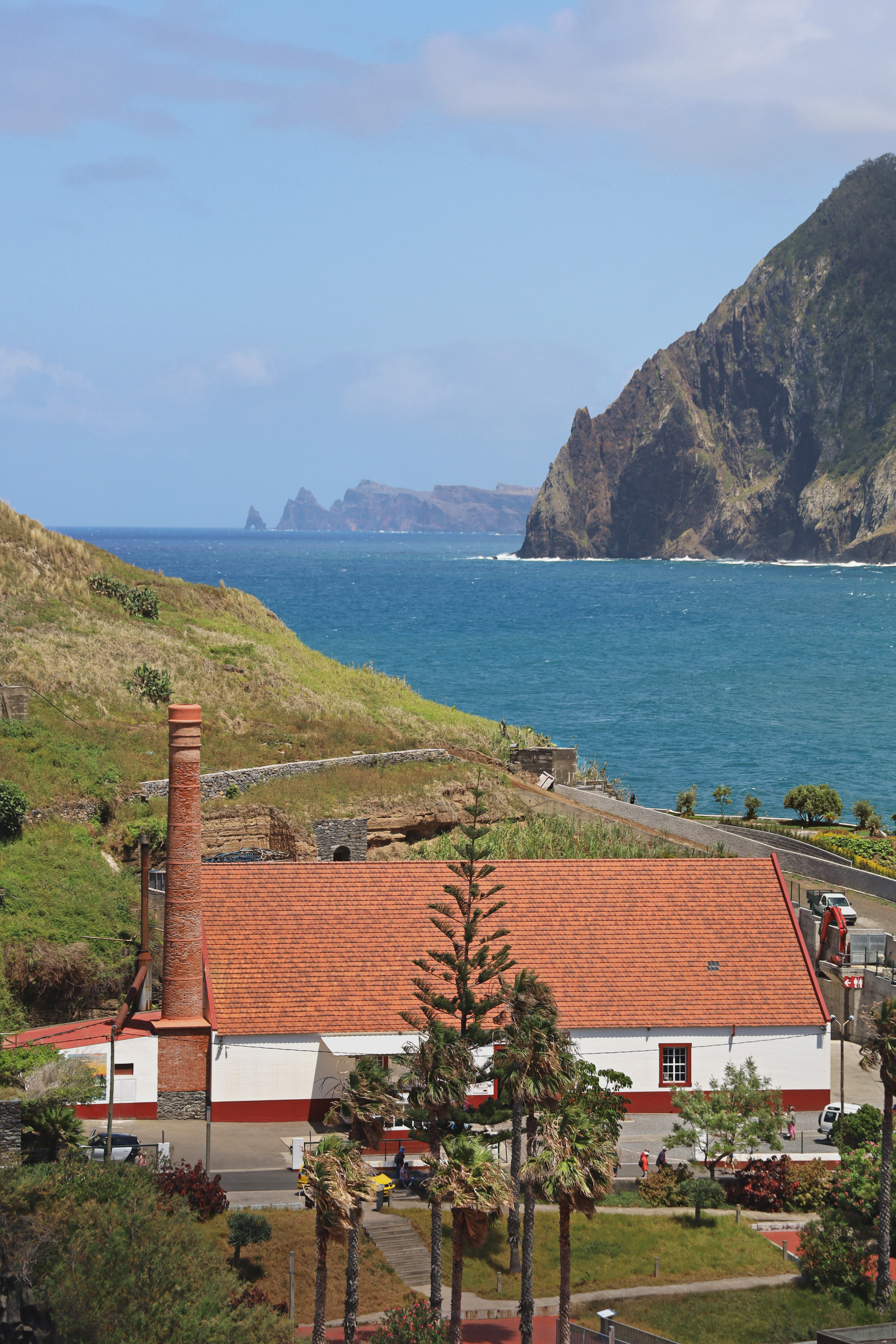
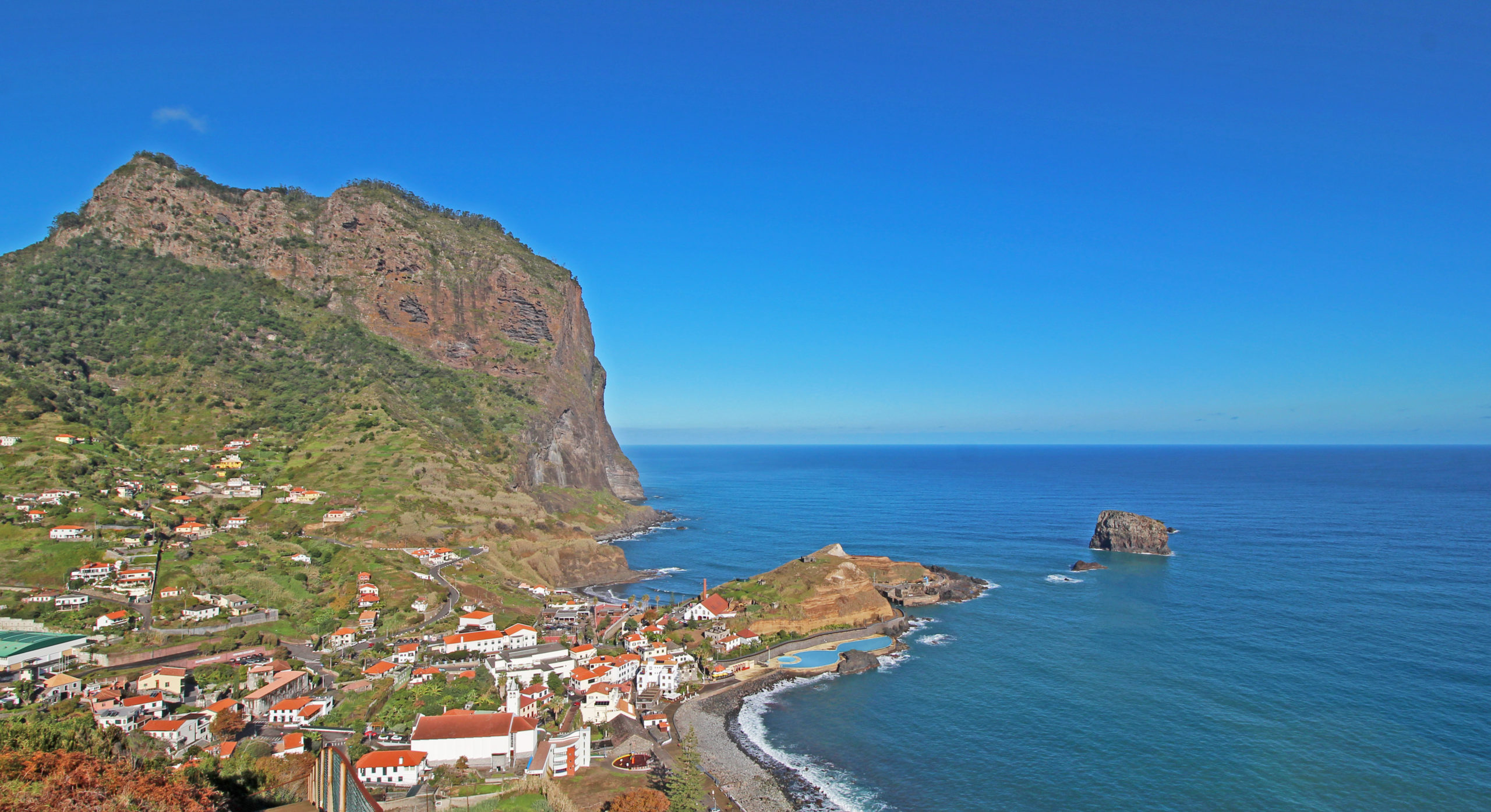
The bay of Porto da Cruz, where one of Madeira’s oldest distilleries still operates today.
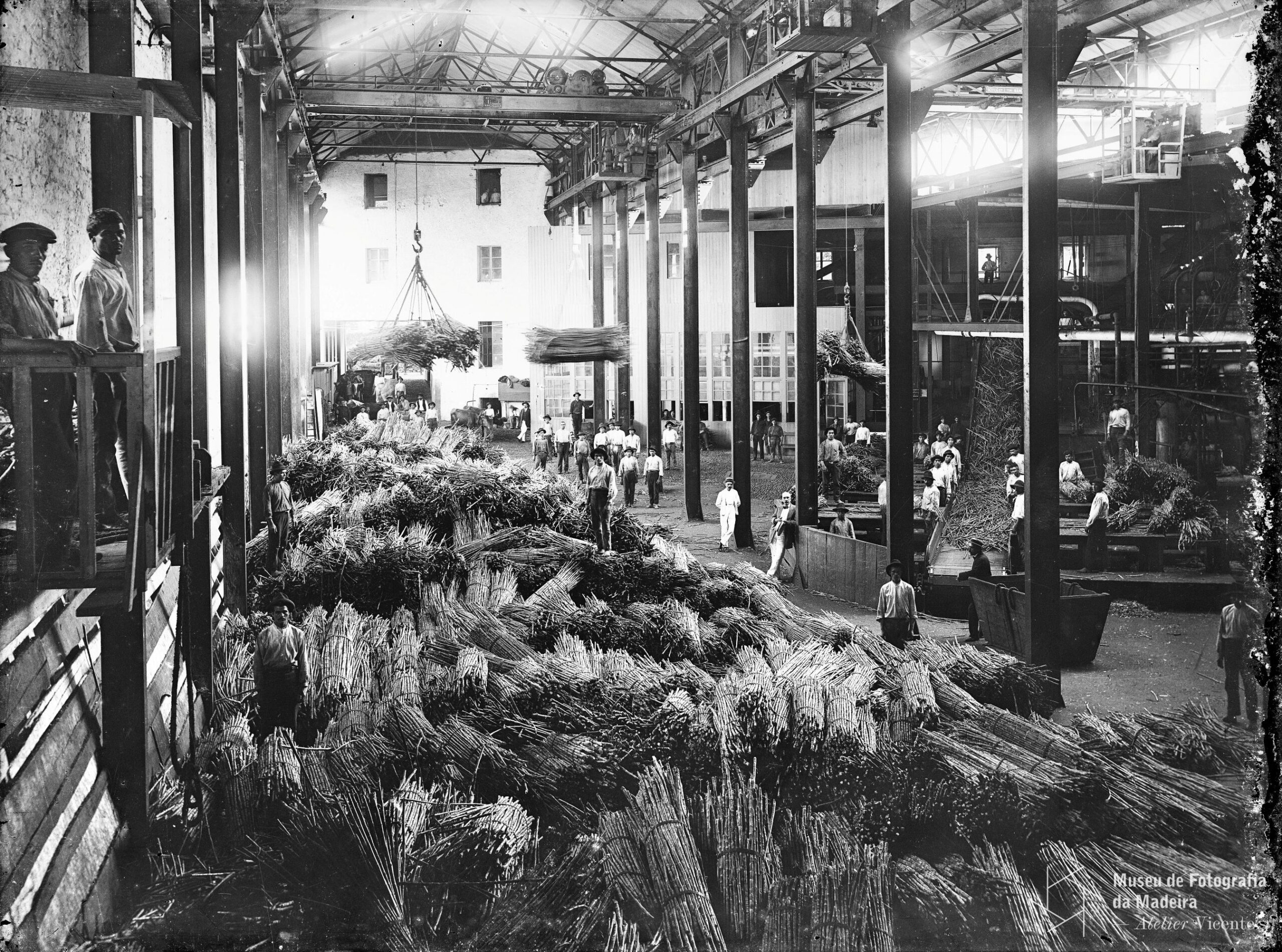
We continue our tour of Madeira rum in Porto da Cruz, at Engenhos do Norte, one of the island’s oldest and most emblematic working distilleries. Founded in 1927 and never having ceased production, it remains closely tied to the historical methods that helped shape Rum da Madeira, from its steam-powered machinery to the annual rhythm of the sugar cane harvest.
Engenhos do Norte occupies a particular place in the category. It is not simply a distillery with a long history, but a working piece of Madeira’s industrial heritage. Its white rums remain firmly rooted in tradition, while its growing range of aged expressions, including rums matured in Madeira wine casks, shows how the house is evolving without turning its back on its origins.
We spoke with the team at Engenhos do Norte about the role of tradition, the challenges facing sugar cane growers, the influence of the sea and the future of Rum da Madeira.
How would you describe the role of Engenhos do Norte in the broader history of Rum da Madeira?
Engenhos do Norte is one of Madeira’s oldest distilleries and has been operating continuously since 1927.
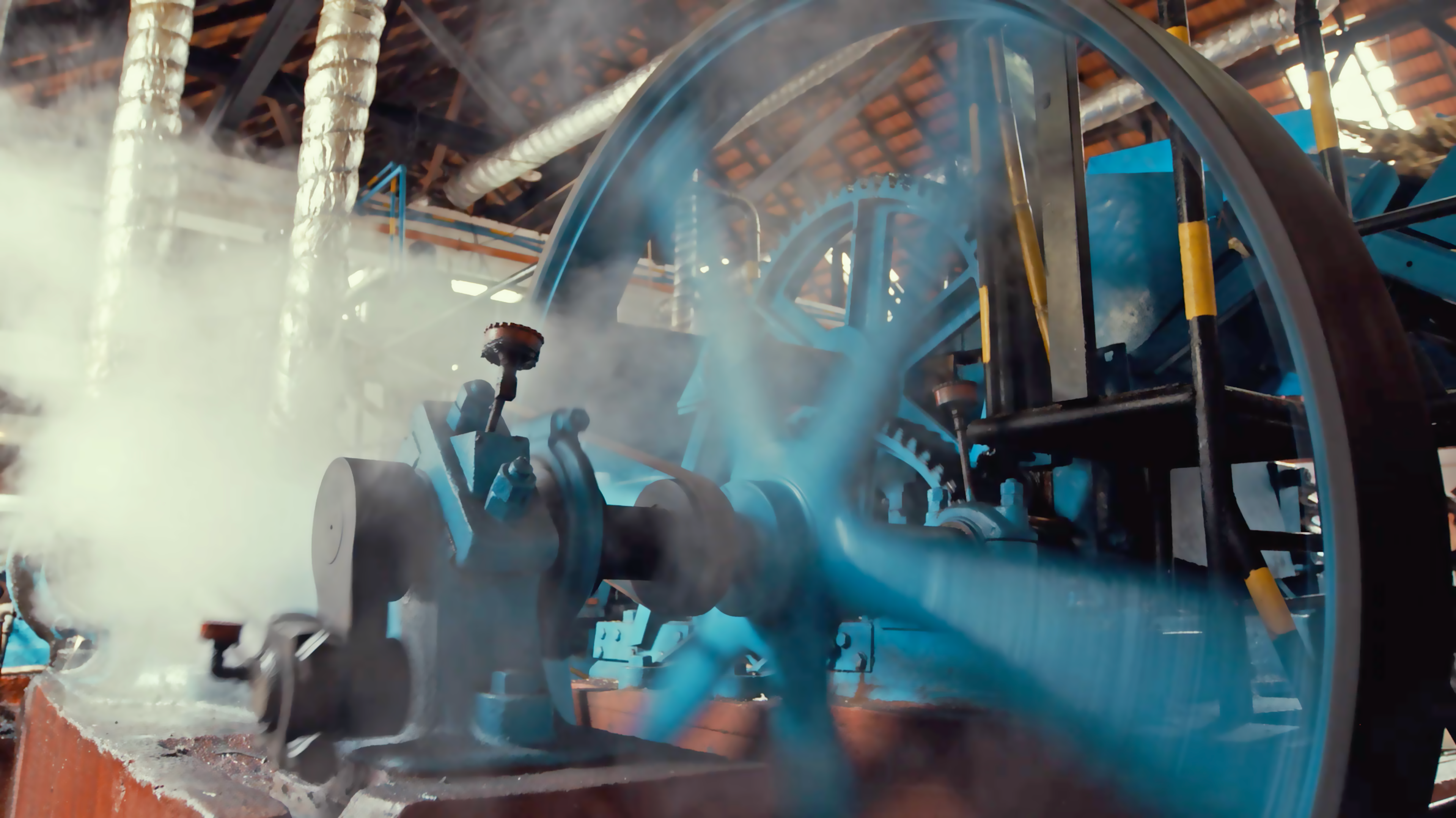
Since its foundation, production has never stopped. We have preserved the same traditional approach, including steam-powered machinery and ancestral techniques that form an important part of the identity of Rum da Madeira.
What is the most important thing people should understand about your distillery before tasting your spirits?
Our distillery is, above all, a symbol of tradition.
It represents an authentic way of producing rum, faithful to its origins, where respect for historical methods continues to define the quality and character of our spirits.
How does Madeira itself influence your rums?
Madeira is present at every stage of production.
The island’s climate, its proximity to the sea and its volcanic landscape all contribute to the distinctive profile of our rums. The environment is not simply where the rum is made. It plays an active role in shaping its identity.
What role do sugar cane cultivation, harvest and seasonality play in your production?
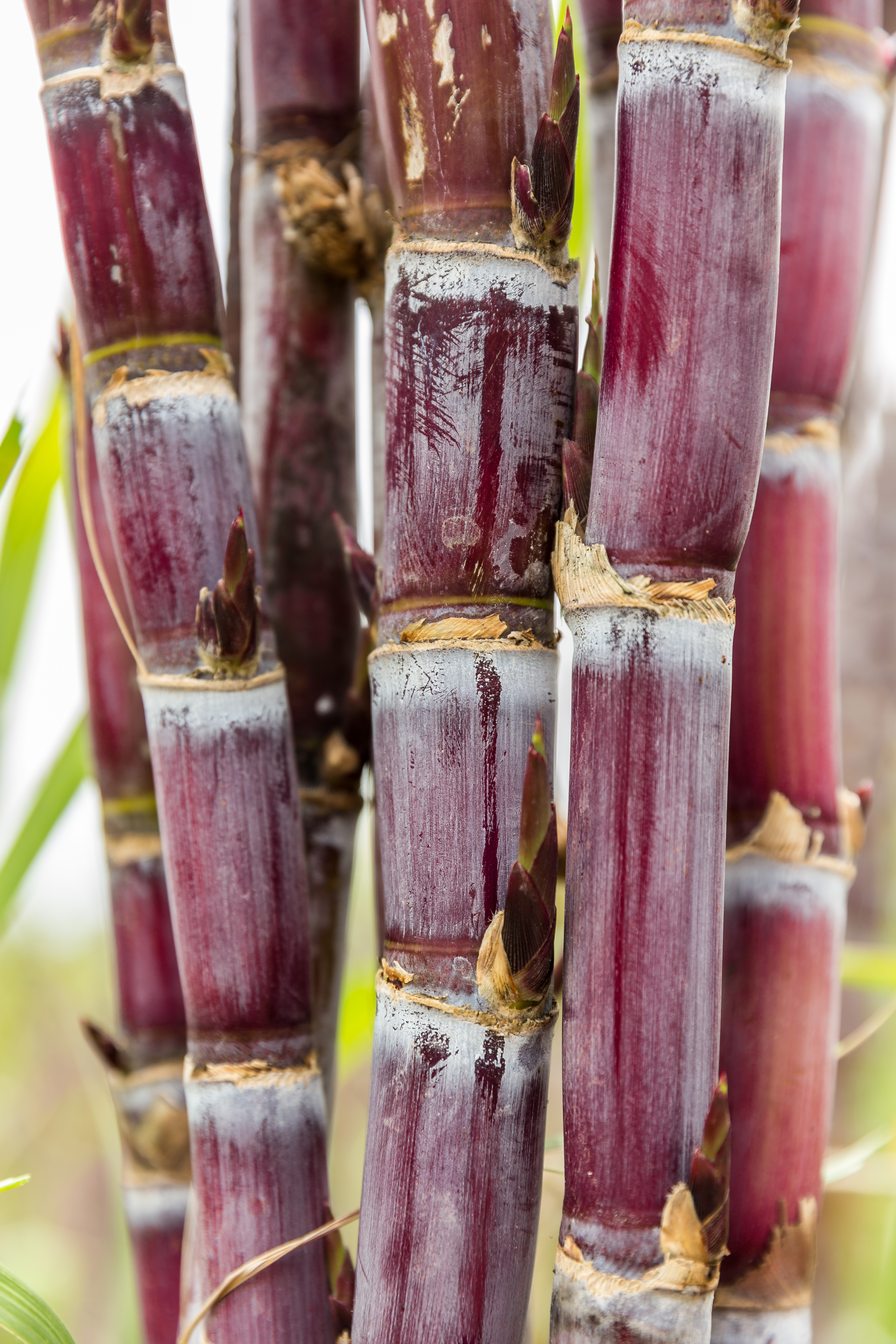
Sugar cane is the foundation of everything we do.
Its quality depends on the natural cycle of the plant, so seasonality determines the rhythm of production. Our rum is distilled only once a year, during the sugar cane campaign, between April and June, and we work exclusively with freshly harvested cane.
Production is therefore directly linked to the agricultural calendar of the island.
What are the main challenges of making rum from fresh sugar cane in Madeira?
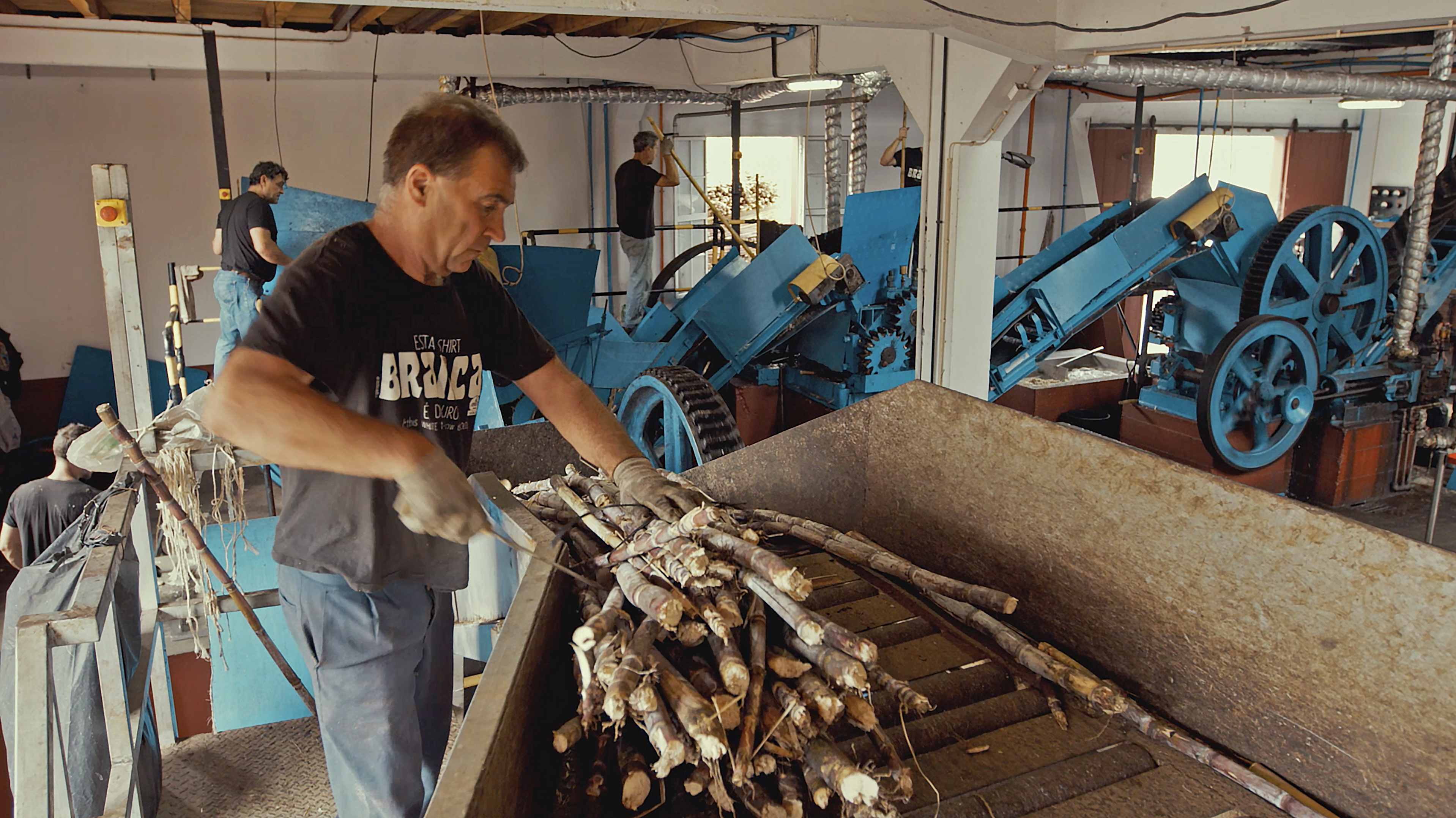
The greatest challenges are the shortage of labour and the ageing population of sugar cane growers.
In Madeira, the cane is harvested entirely by hand, stalk by stalk, because the steep terrain makes mechanisation impossible in many areas. This requires considerable manual work.
The lack of generational renewal therefore represents a serious challenge to the continuity of this tradition.
Which production choices most clearly define the Engenhos do Norte house style?
White rum remains our principal reference and continues to express the traditional style of the rums historically produced in Madeira.
At the same time, aged rums are becoming increasingly important within our range. We are developing new expressions and exploring different forms of maturation, while remaining faithful to our identity and our roots.
The objective is to innovate without losing the character that defines the house.
How would you describe your approach to fermentation and distillation?
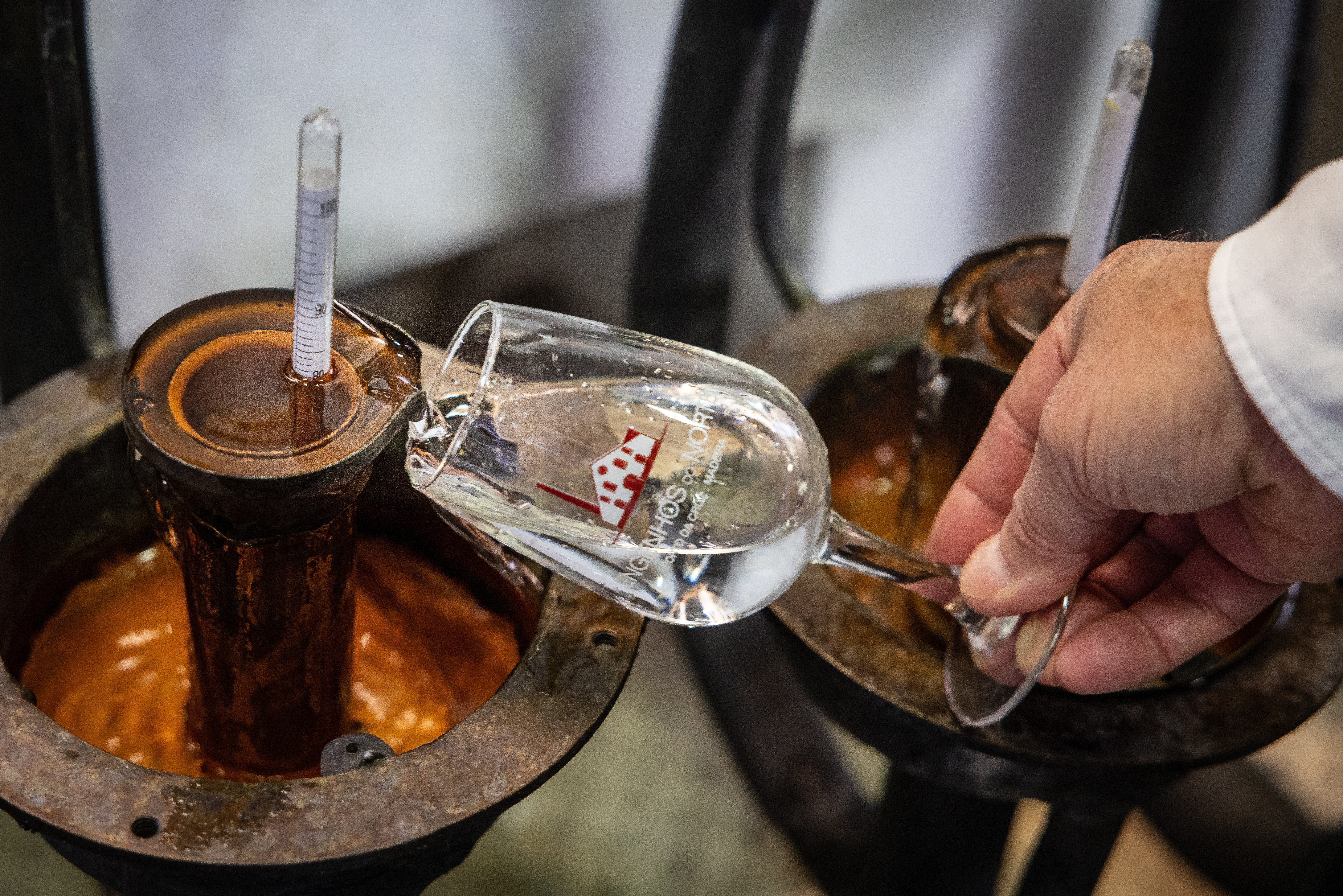
We use a carefully controlled fermentation process designed to preserve the natural characteristics of the sugar cane.
Distillation is carried out according to traditional methods that are deeply rooted in the history of the distillery. The aim is to produce an authentic and balanced rum that remains faithful to its origin.
What role does maturation play in your range, and how does Madeira’s climate influence ageing?
Ageing plays an increasingly important role in our portfolio.
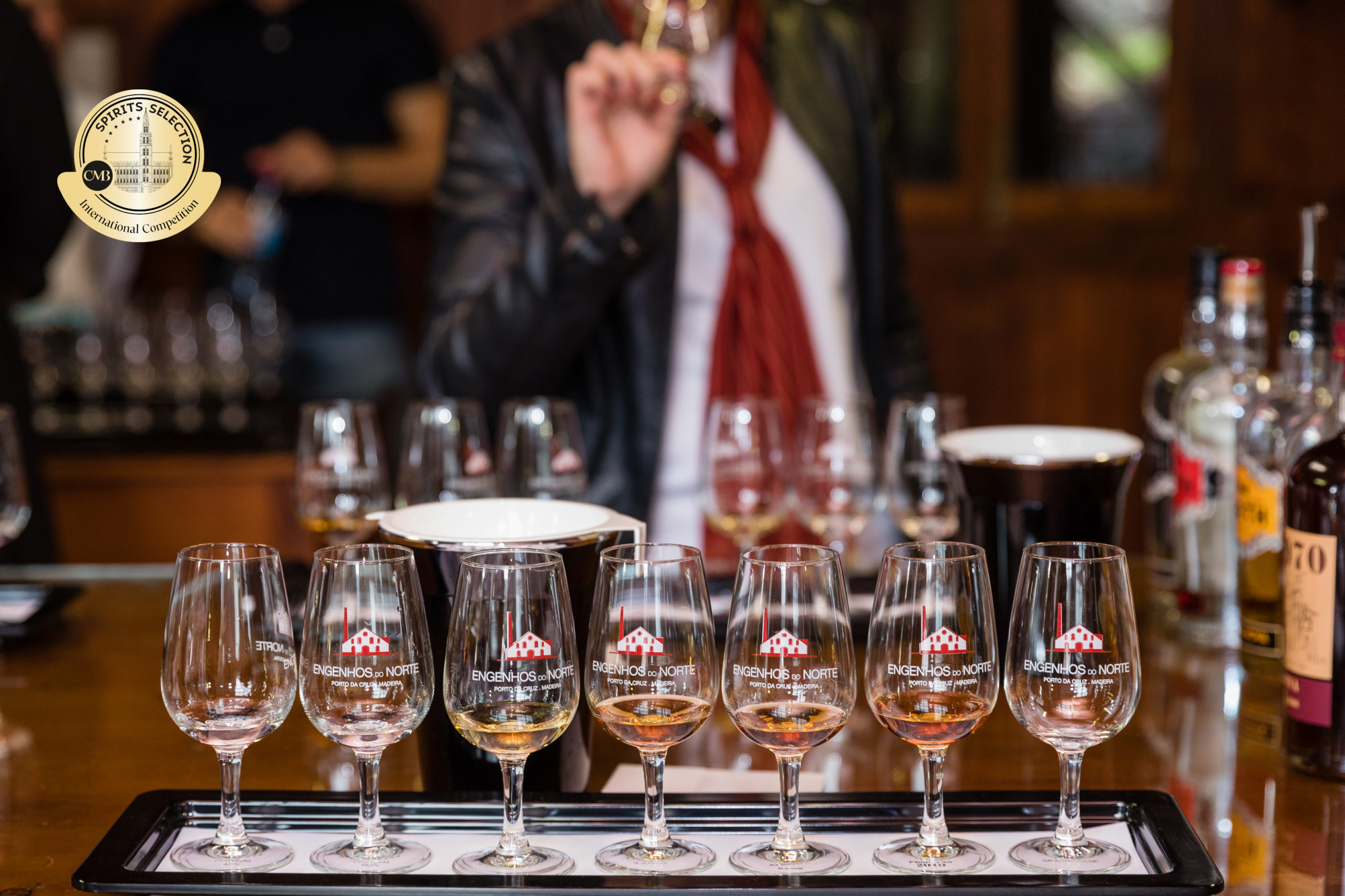
We use French oak casks and benefit from a unique location directly beside the sea. The maritime influence and the saline environment contribute to a distinctive maturation process, bringing additional complexity and a character that is particular to our rums.
Our coastal location is therefore an important part of the way the spirits develop over time.
Do Madeira wine casks or other local casks play a role in your production?
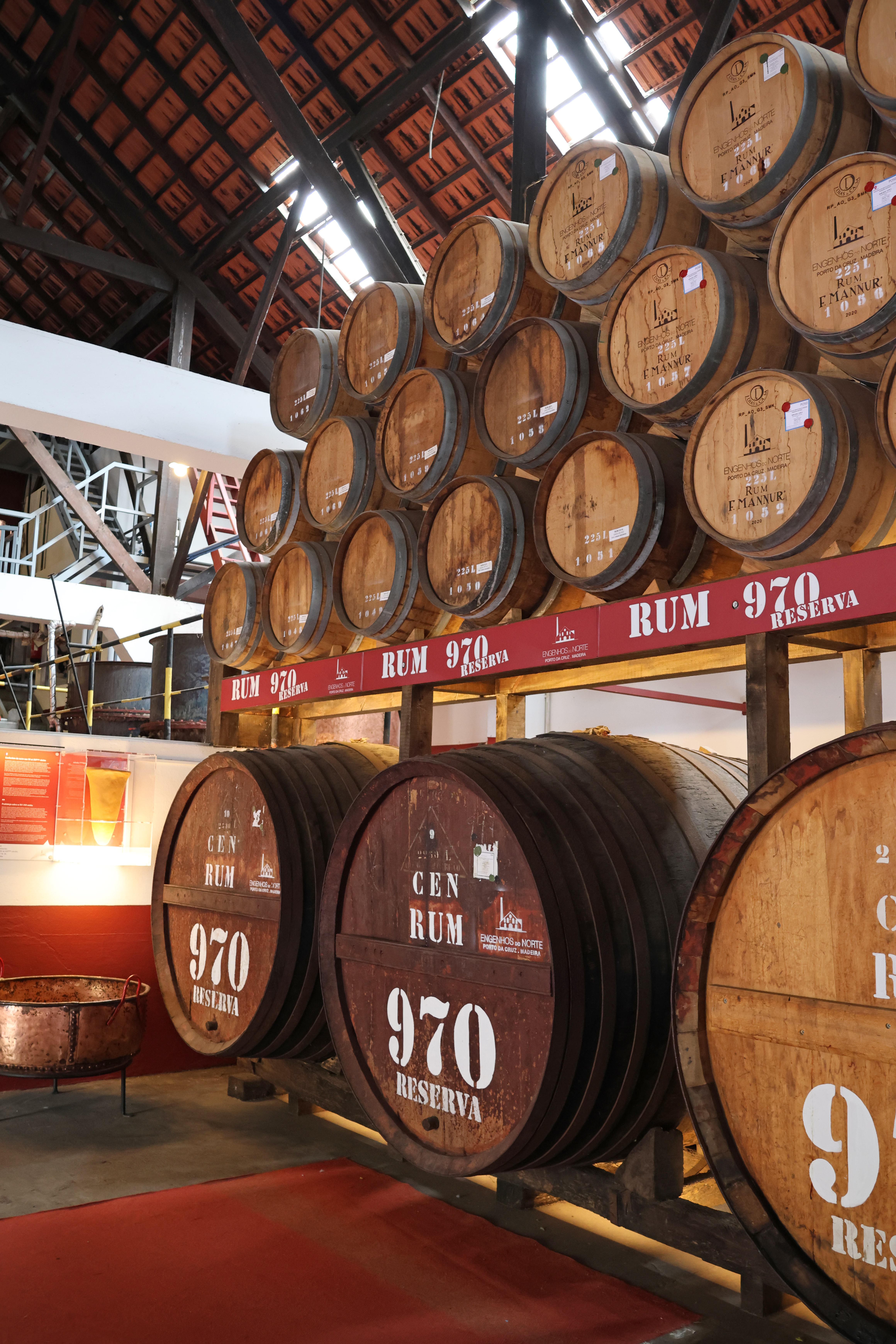
Yes. We were pioneers in the commercialisation of rum aged in Madeira wine casks.
These casks play a fundamental role in our range. They add complexity and elegance, while giving the rum an identity that is deeply connected to the winemaking heritage of the island.
The use of Madeira wine casks creates a natural link between two of Madeira’s most important drinks traditions.
What aromas, flavours or textures should tasters associate with your rums?
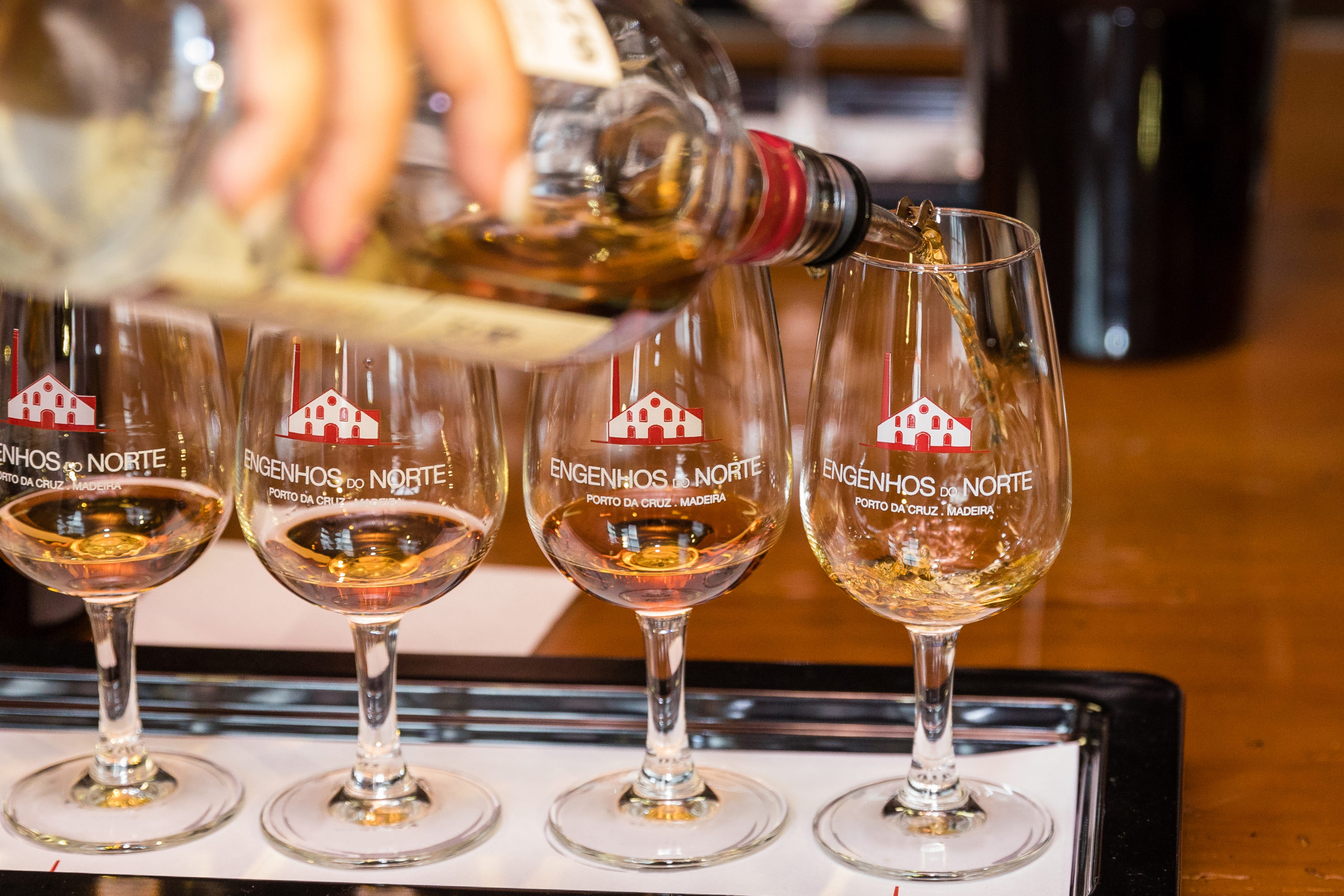
As Rum da Madeira is protected by a Geographical Indication, fruit, flavourings and other ingredients may not be added.
The aromas and flavours must therefore come exclusively from the sugar cane, fermentation, distillation and, where applicable, ageing.
Our rums are distinguished by vegetal notes, a pronounced salinity influenced by the maritime environment and a natural sweetness that reflects the richness of Madeira’s volcanic soils.
What do international consumers still misunderstand about Rum da Madeira?
Many consumers are still unaware that Rum da Madeira is produced exclusively from fresh sugar cane juice, unlike the majority of rums, which are made from molasses.
This distinction is fundamental because it links production directly to the harvest and to the agricultural cycle of the island.
In addition, flavourings, sugars and other ingredients may not be added. This preserves the authenticity of the rum and allows the natural expression of the sugar cane to remain at the centre of the spirit.
In one sentence, what should Rum da Madeira stand for internationally?
From the era of white gold emerged one of the world’s rarest agricultural rums.
For more information on Rum da Madeira, please click here.
The 2026 edition of Spirits Selection by CMB is brought to you in association with:


And with the support of: