Engenho Novo da Madeira: Old roots, new directions for Rum da Madeira
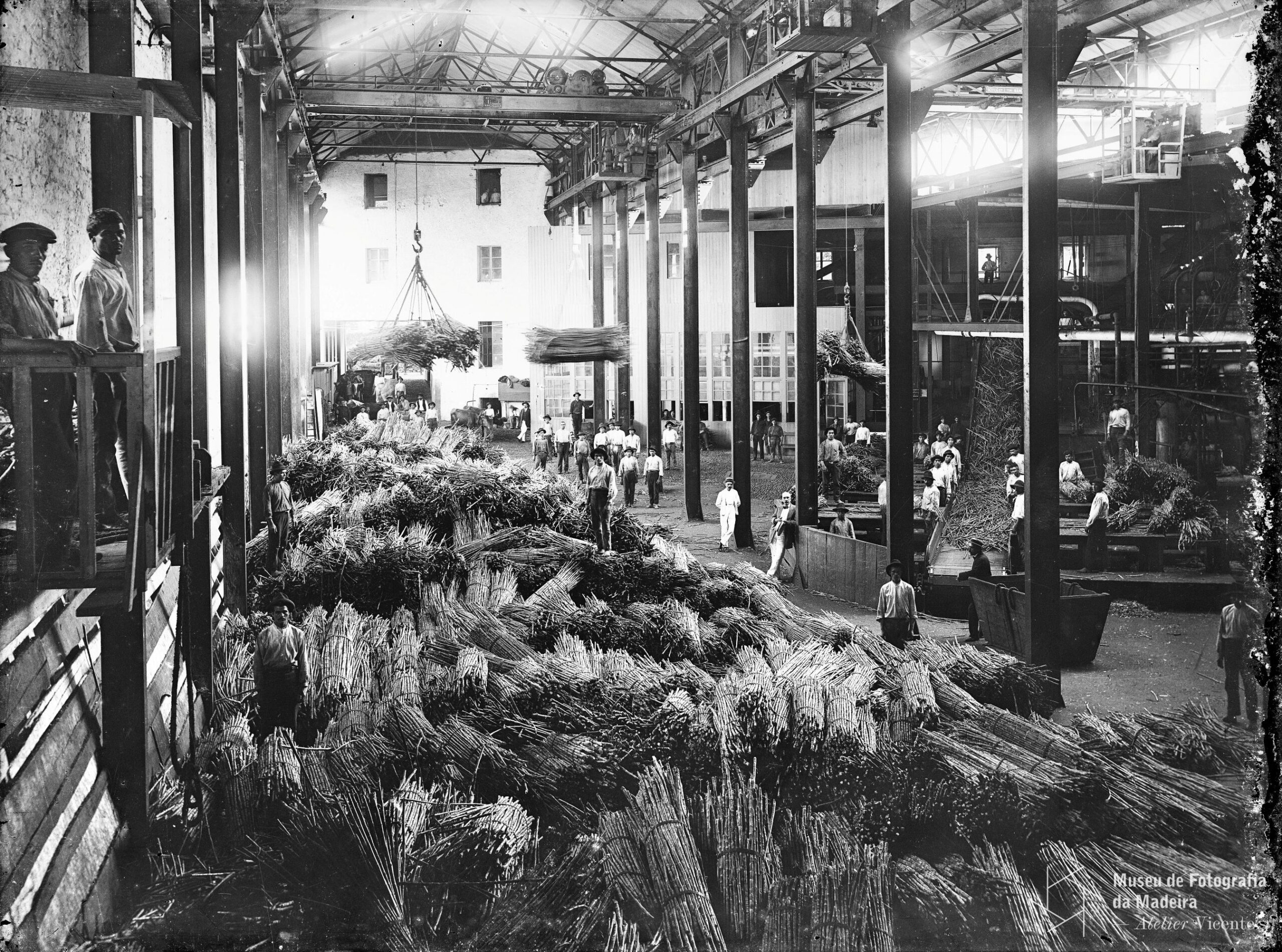
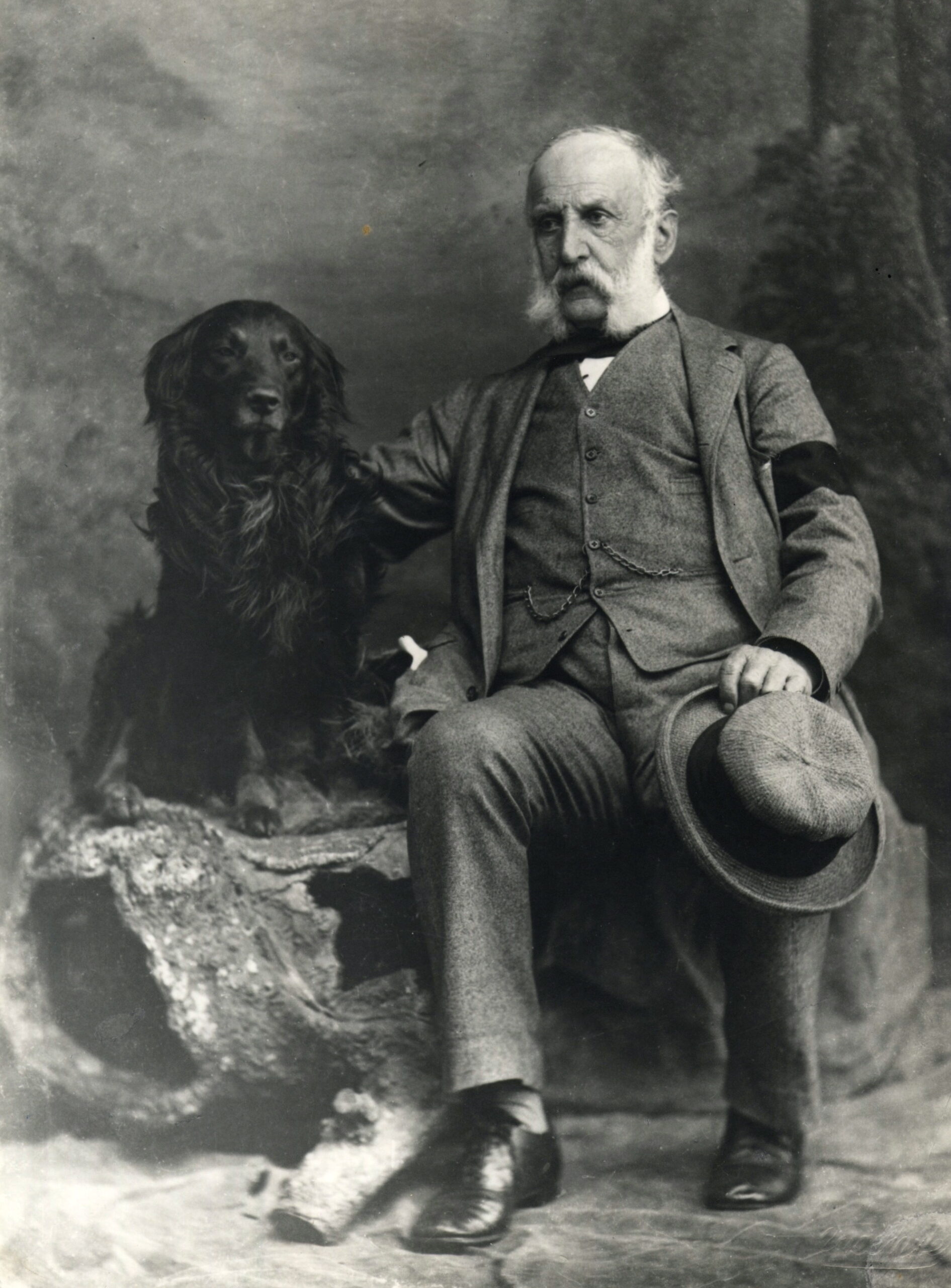
The historic Fábrica do Torreão in Funchal, founded by William Hinton in 1845 and later known as Engenho do Hinton. Photo: Museu de Fotografia da Madeira – Atelier Vicente’s.
We continue our tour of Rum da Madeira with Engenho Novo da Madeira, the distillery behind William Hinton.
The name carries considerable baggage on the island. William Hinton established the Fábrica do Torreão in Funchal in 1845, and the Hinton mill would eventually become the largest sugar-cane factory on Madeira. Engenho Novo is not that distillery resurrected, nor does it pretend to be. But one of its founders is a descendant of the Hinton family, and the company has deliberately picked up that thread, attaching a familiar name from Madeira’s industrial past to a decidedly modern rum operation.
That blend makes Engenho Novo intriguing. There is plenty of history in the background, but the distillery itself is remarkably experimental: short and extended fermentations, selected and native yeasts, column and pot distillation, an expanding collection of casks and, more recently, a new column still. It is perhaps one of the clearest examples on Madeira of a producer trying to find out just how broad the vocabulary of the island’s rum can become.
We spoke with the team about the Hinton legacy, Madeira’s increasingly difficult sugar-cane economy, fermentation, distillation and sixteen years of experiments with maturation.
The Hinton name comes with a substantial history on Madeira. What exactly are you trying to continue?
We see Engenho Novo da Madeira as a bridge between Madeira’s sugar-cane history and what Rum da Madeira can become today.
One of our founders is a descendant of the Hinton family. William Hinton founded the Fábrica do Torreão in 1845, later popularly known as Engenho do Hinton, which became the largest sugar-cane mill on the island.
For many Madeirans, the factory remains part of Funchal’s collective memory: trucks loaded with cane waiting to unload, children taking a stalk and chewing it for its sweetness.
Today, Engenho Novo is trying to reconnect that history with a very different rum market.
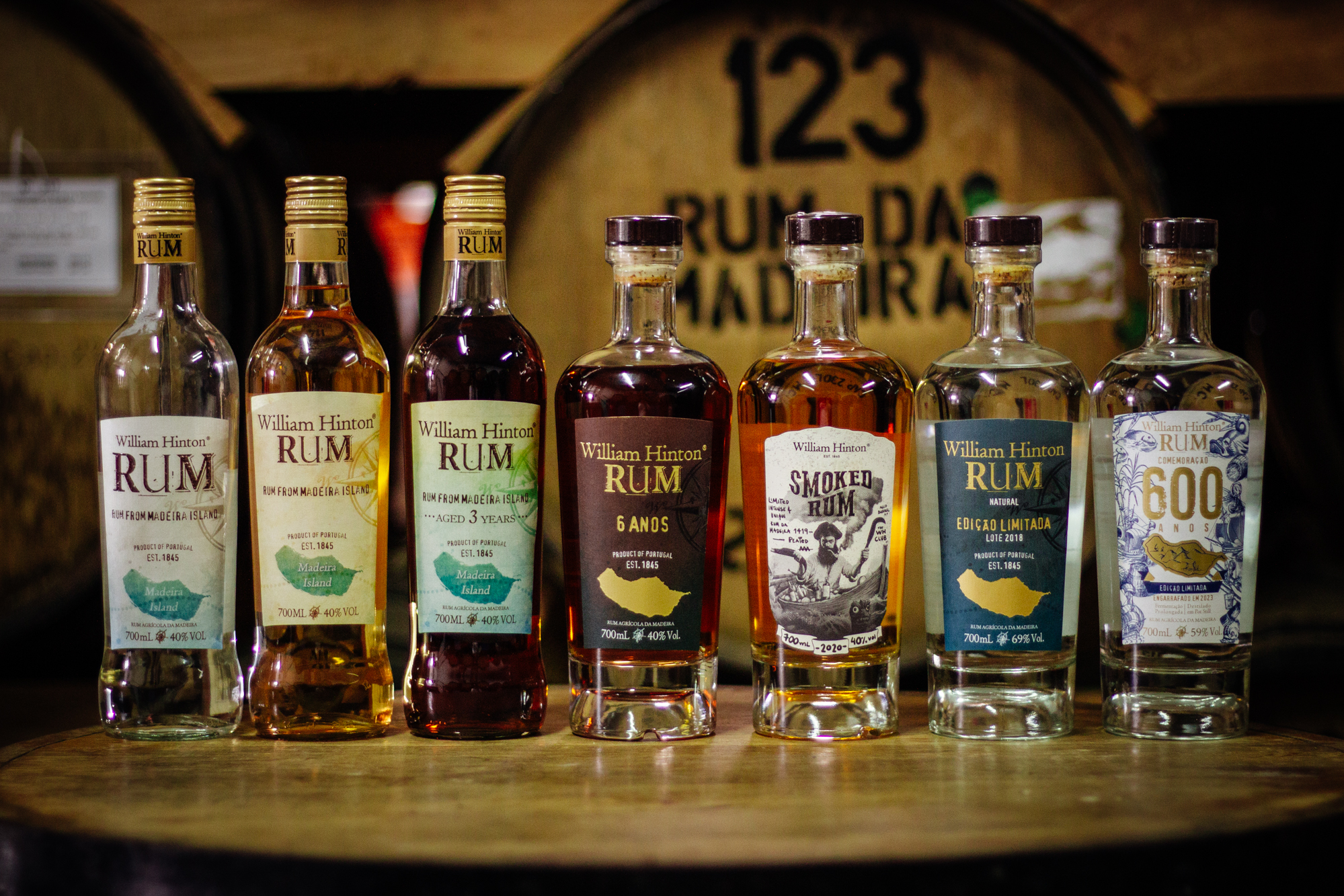
We have tried to broaden the way Madeira rum is understood, both locally and internationally. That has meant communicating it explicitly as rum rather than simply as “aguardente”, taking the category to international spirits fairs, encouraging people to see it as something more than the base for Poncha and exploring styles of ageing that historically played a much smaller role here.
At the same time, Poncha remains fundamental. It is Madeira’s own drink culture and one of the most immediate ways of introducing people to the island’s rum.
Sugar cane sounds almost like a logistical exercise as much as an agricultural one.
It is.
We do not cultivate our own cane. We work with around 150 growers and try to coordinate deliveries so that the cane reaches us and is processed within 48 hours of cutting.
For roughly two months, the distillery works continuously to produce the rum required for the rest of the year.
That creates considerable pressure. Many growers cultivate sugar cane alongside other activities rather than as their principal occupation. Harvesting often takes place at weekends, sometimes with family members or seasonal labour, and that labour is becoming increasingly difficult and expensive to find.
The fields themselves are another issue. Much of Madeira’s cane grows on small terraces, the poios, where mechanisation is simply not possible. Cane has to be cut, bundled and carried manually to wherever a vehicle can reach it.
So when the campaign begins, everything has to work: the growers, transport, milling, fermentation and distillation. A delay in one part of the chain quickly affects everything else.
Is the availability of sugar cane becoming a serious concern for the category?
Yes.
The farming population is ageing and there is not enough generational renewal. Younger people are understandably reluctant to take on extremely demanding agricultural work when other opportunities exist.
Land is also under pressure from property development and from other crops that may offer growers better returns.
We are already seeing sugar-cane cultivation move towards higher elevations, where yields can be lower.
For us, this is one of the major questions facing Rum da Madeira. It is possible to invest in better distillation equipment, more casks and larger markets, but none of that matters if the agricultural base cannot supply sufficient high-quality cane.
The future of the category therefore depends as much on the farmer as it does on the distiller.
Most of your production begins with quite short fermentations. Why?
Our standard fermentation is controlled and relatively short, usually around 24 hours, using selected yeasts.
The objective is to produce a clean cane wine while retaining freshness and definition. Depending on the campaign and what we want from the distillate, we adjust both temperature and fermentation time.
The majority of that wine is distilled in Leonor, our century-old criolla-style column still inherited from the old Hinton distillery and restored for production.
Leonor gives us what we regard as the central William Hinton profile: lighter in style, relatively mineral, with clear vegetal characteristics and a direct expression of fresh cane.
But that is only part of what we do.
Because once the main campaign pressure eases, things become considerably less conventional.
Exactly.
After the most intense part of the harvest, we can start working with longer fermentations, sometimes up to seven days, as well as natural fermentations using the yeasts present on the cane and in the environment.
The objective is different. Longer fermentation creates a much more aromatic cane wine, particularly through increased ester formation, and we then distil that material in our two steam-heated Portuguese pot stills, which we call As Duas Marias — the Two Marias.
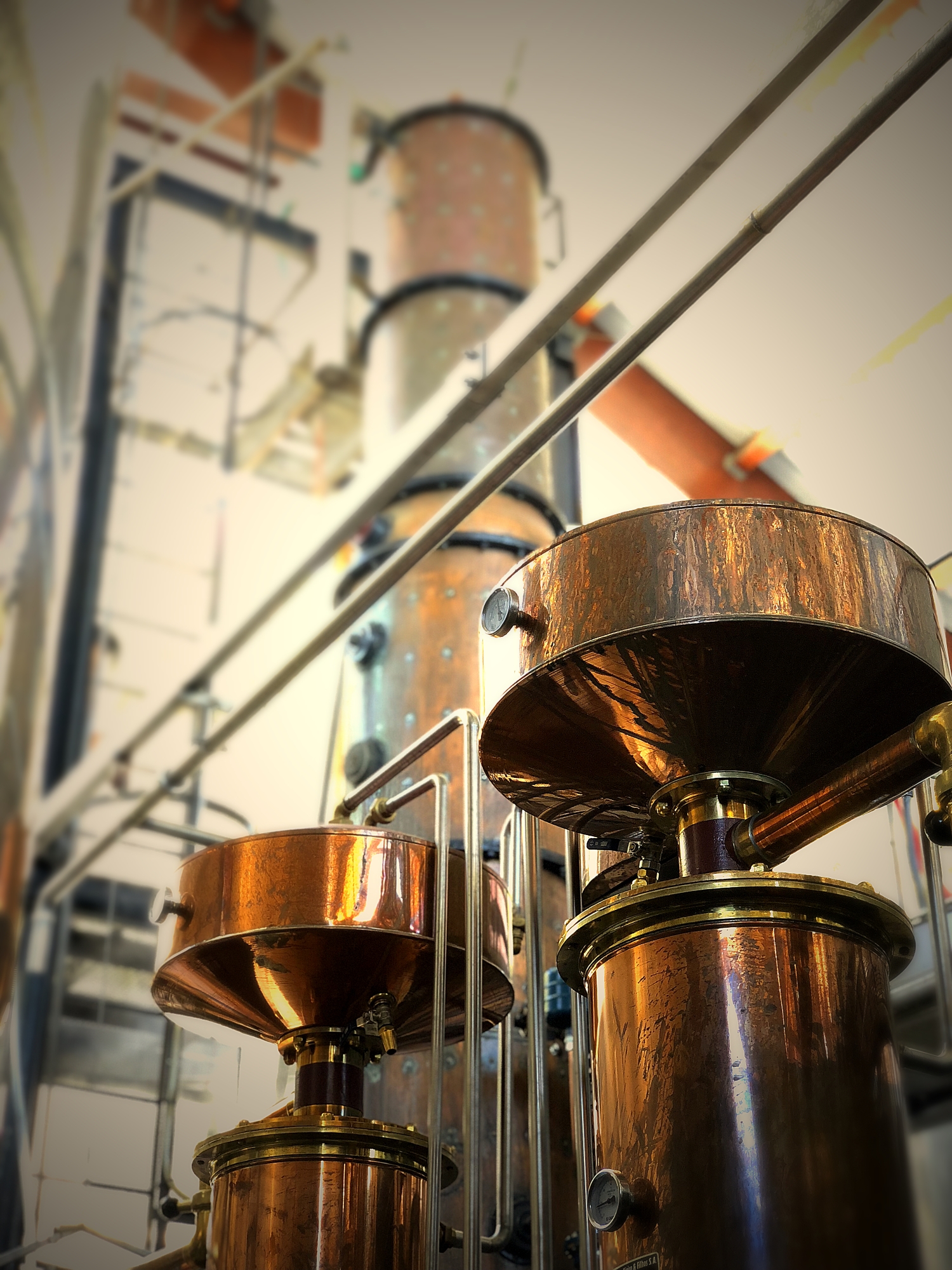
The resulting spirit is richer, more textured and much more fruit-driven than the rum coming from Leonor.
Natural fermentation can take us somewhere else again. One of our three-day natural fermentations produces an intensely vegetal spirit with a high concentration of volatile oils, substantial texture and a markedly spicy finish.
For us, fermentation and distillation are tools for exploring the raw material rather than forcing every batch into the same profile.
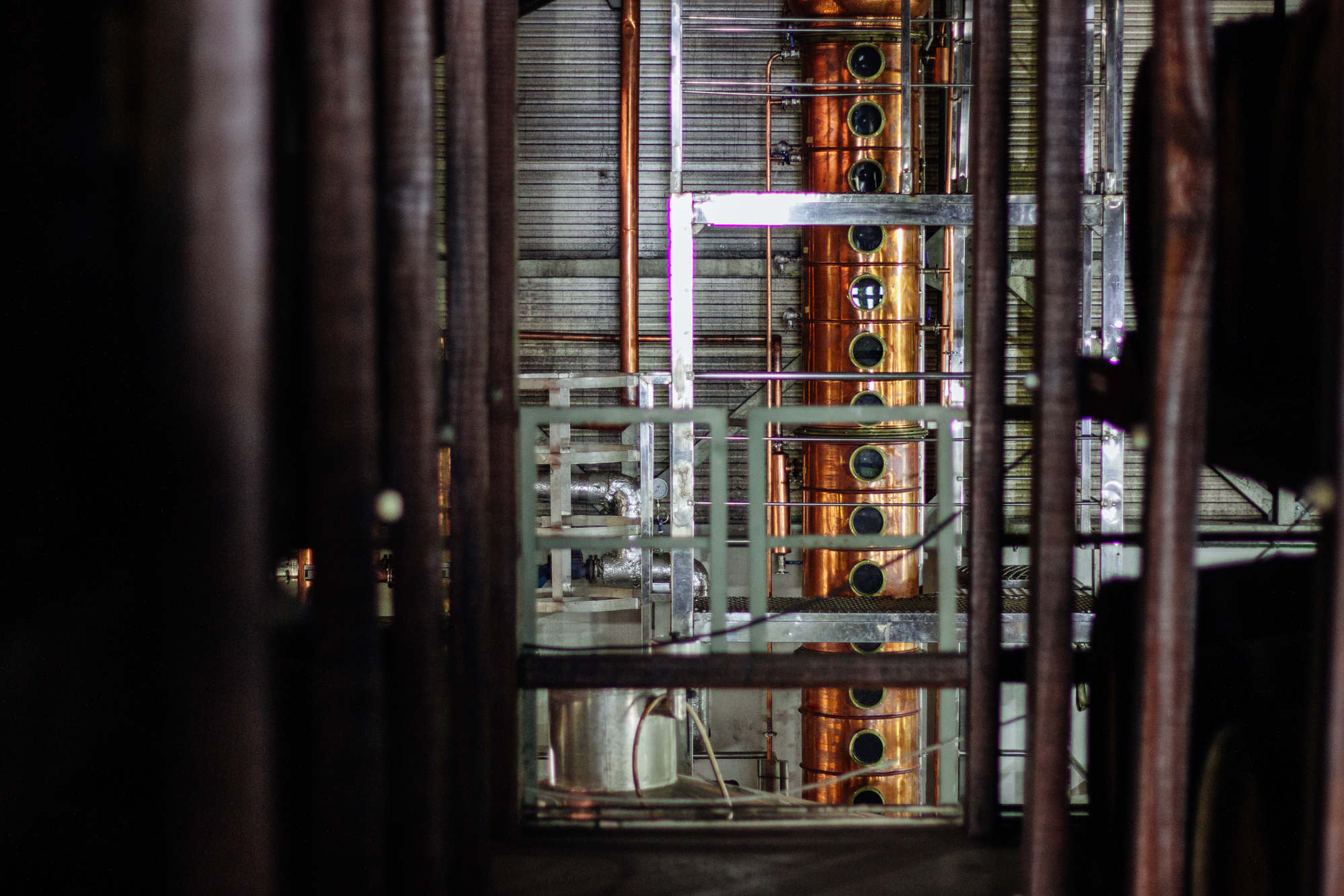
We have also installed a new column still this year. It has not yet been named, but it gives us another tool with which to refine existing styles and investigate new ones.
That experimental approach becomes even more obvious when you look at the cask inventory.
Maturation has been a long learning process for us.
Historically, the majority of Madeira rum was consumed unaged, particularly through Poncha. Aged rum existed, but it was not what fundamentally defined the category.
Our first casks were filled a few years after the company was founded, so we now have around sixteen years of experience with maturation.
Initially there was relatively little local precedent to follow. Every cask therefore taught us something.
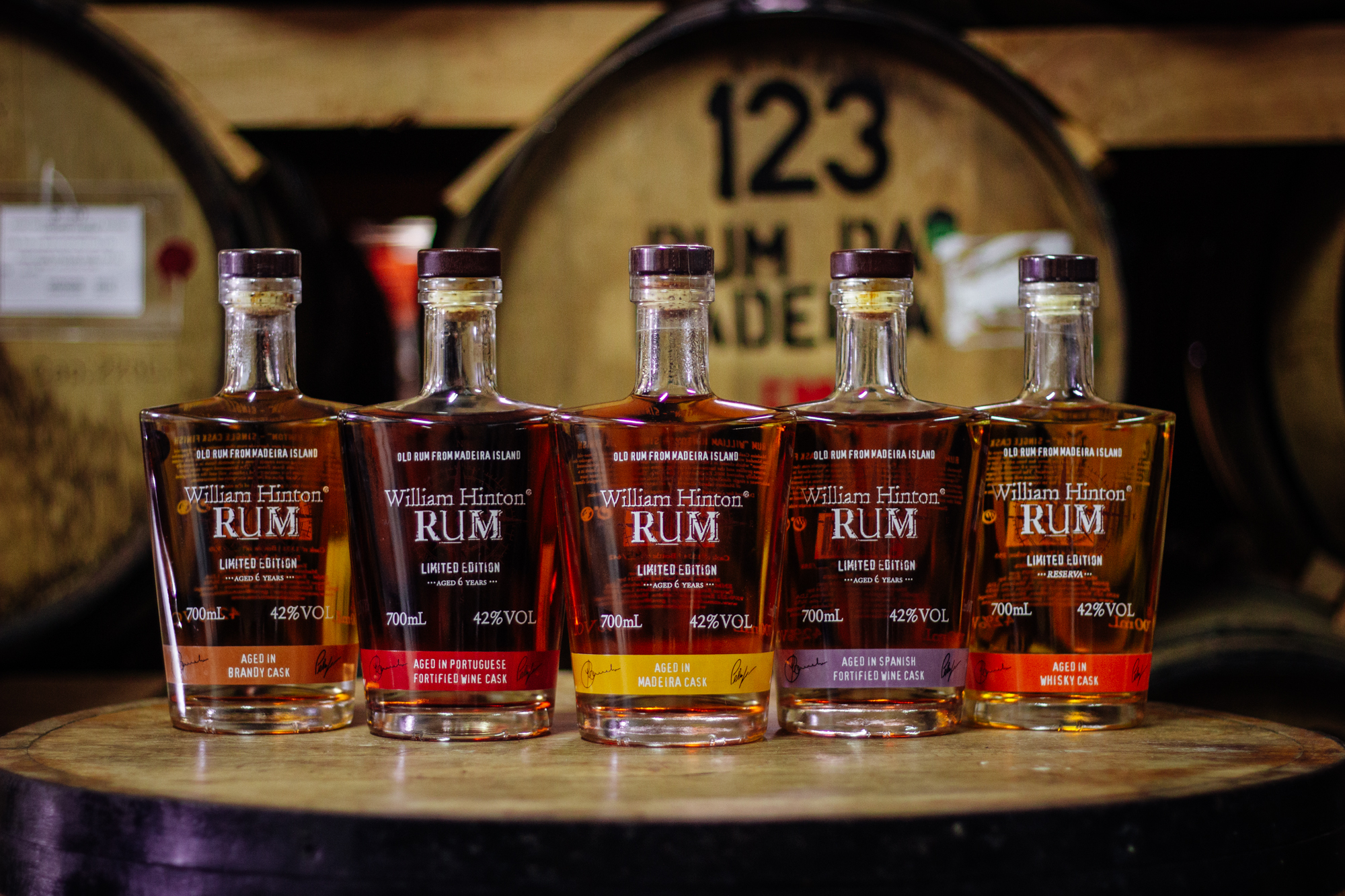
We have generally preferred used casks rather than new oak because they allow us to build complexity without overwhelming the fresh-cane character of the distillate.
That has taken us through Madeira, Port and Sherry casks, Cognac and Armagnac, whisky, Amarone, Calvados, peated whisky, Aquavit and even beer casks.
Some worked better than others. That is rather the point.
There is no intrinsically superior cask. A barrel is simply another production tool, and its usefulness depends on the style of rum you are trying to produce.
Madeira wine casks must nevertheless have a particular relevance here.
They do.
Madeira casks can bring spice, dried fruit, texture and an oxidative dimension while maintaining a very direct connection with the island.
More recently, rather than simply buying available Madeira wine casks, we have begun seasoning casks ourselves with wines selected specifically for that purpose.
That gives us greater control over the previous contents of the barrel and over the influence we want it to have on the rum.
We see considerable potential there, particularly for future William Hinton aged expressions.
And your maturation conditions are rather different from those of a warehouse beside the coast.
Most of our casks mature at the distillery, at around 650 metres above sea level.
The site experiences considerable daily and seasonal temperature variation, together with relatively high humidity and changing atmospheric conditions.
The casks are therefore quite active. During the first three years we typically lose around 20% of the contents through evaporation.
That is obviously a cost, but it also produces a maturation profile that can become expressive relatively quickly.
We are not looking for wood to dominate the spirit. Even in the aged rums, the objective is to retain freshness and the character of the cane underneath the influence of the barrel.
Internationally, Rum da Madeira is still frequently placed somewhere beside French Caribbean agricole. Is that useful?
Only to a point.
The comparison is understandable because both begin with fresh sugar-cane juice, and that immediately separates them from the large majority of rums produced from molasses.
But Madeira has its own history, agricultural conditions, production traditions and producer styles.
The more important problem at present is simply awareness. Many consumers outside Portugal still do not know that Madeira produces rum from fresh sugar cane at all.
So before asking people to understand every nuance of the category, we first have to make them aware that it exists.
After that, the differences become considerably more interesting.
What should Rum da Madeira ultimately stand for?
A rum of place: made from fresh sugar cane, shaped by Madeira and rooted in a culture that is still alive.
For more information on Rum da Madeira, please click
here.
The 2026 edition of Spirits Selection by CMB is brought to you in association with:


And with the support of: